
Guides
Freight Cost Management for Shippers
A monthly freight cost management process helps logistics and finance teams separate volume, mix, market, and exception-driven changes before acting on transportation spend.
The Tilt Blog
Insights on freight visibility, carrier signals, AI in logistics, and how Lighthouse helps teams move freight smarter.

A shipper-focused comparison of standalone analytics and broader freight management platforms, with practical criteria for data, reporting, and actionability.
Read articleA monthly freight cost management process helps logistics and finance teams separate volume, mix, market, and exception-driven changes before acting on transportation spend.

Freight billing software helps logistics and finance teams connect transportation charges to the shipment data, documents, rates, and exceptions that created them.

Transportation scheduling software helps freight teams coordinate pickup and delivery appointments with shipment context, facility constraints, carrier communication, and exception ownership.

Partial truckload shipping gives shippers another freight mode for loads that are too large or sensitive for a typical LTL move but do not require a full trailer.
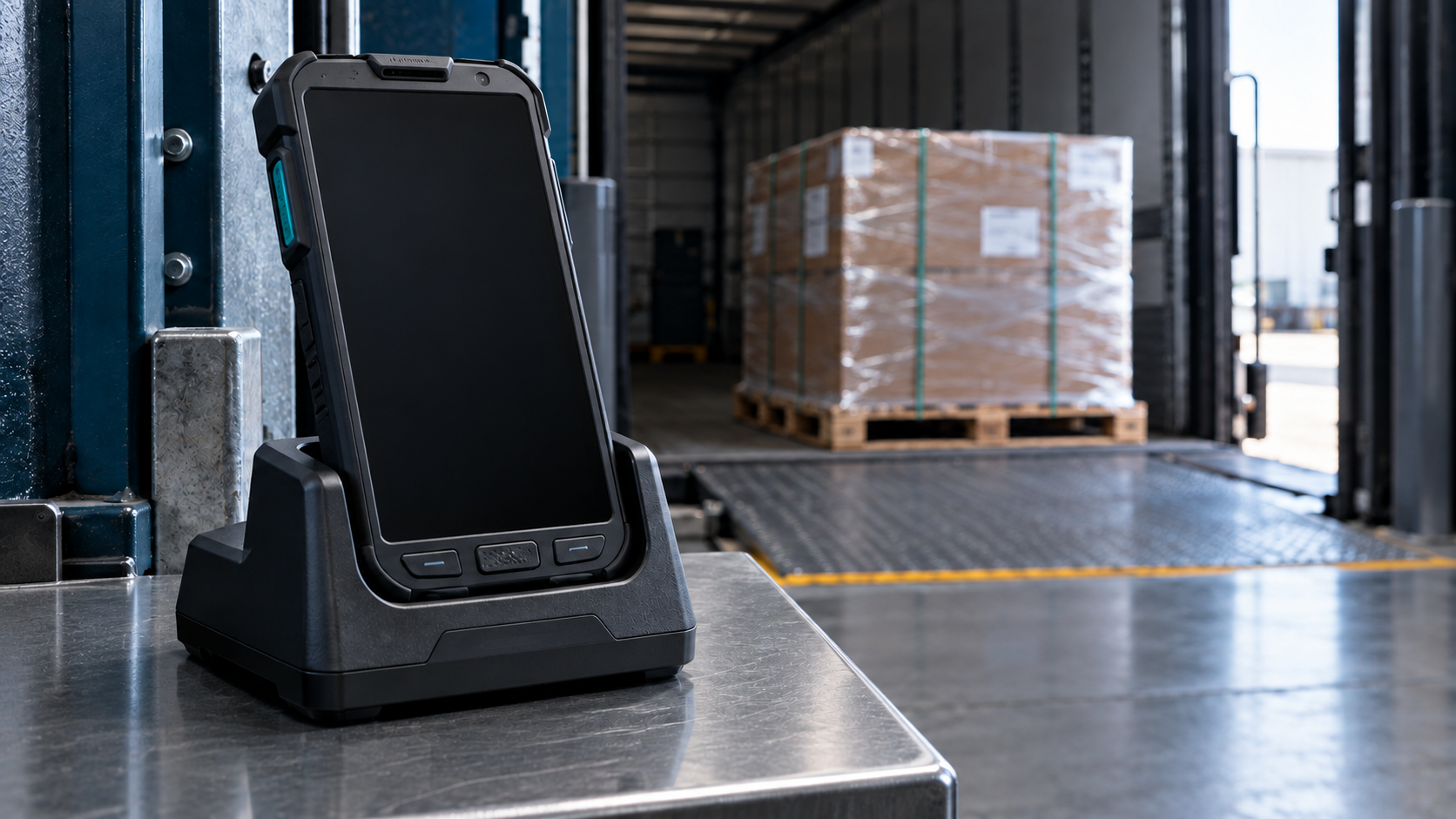
A guide to connecting POD records, signatures, and billing context to the shipment record so freight teams can close loads without document chasing.

Freight audit software is most useful when invoice review remains connected to the shipment record, making discrepancies easier to validate before payment.

Multi-carrier shipping software can centralize system data. The right platform should simplify complexity without locking shippers into one carrier network.

Freight tracking software creates more value when it helps logistics teams identify the shipments that need attention instead of simply displaying another stream of status updates.

LTL freight tracking is more useful when teams understand the milestones behind the status. This guide explains common milestones for growing shippers.

Managed transportation services can help growing freight teams increase execution capacity, clarify ownership, and improve decision-making without building every transportation function in-house.

A shipper-focused guide to eBOL workflows, OCR, document accuracy, and connecting BOL data to booking and shipment records.

A practical guide to procurement technology for growing shippers buying LTL, FTL, partial, and other domestic freight across recurring and spot needs.

A practical guide for shippers deciding when expedited freight is worth the added cost, which service options may fit, and what information to prepare before booking.

A practical guide to transportation spend management for shipper teams that need to connect freight costs with the operational context behind them.

A practical RFP framework for small and growing shippers comparing providers on total cost, service, technology, and operational fit.

A practical walkthrough of Lighthouse TMS showing how shipper teams can carry context from quote through delivery and post-shipment review in one connected workflow.
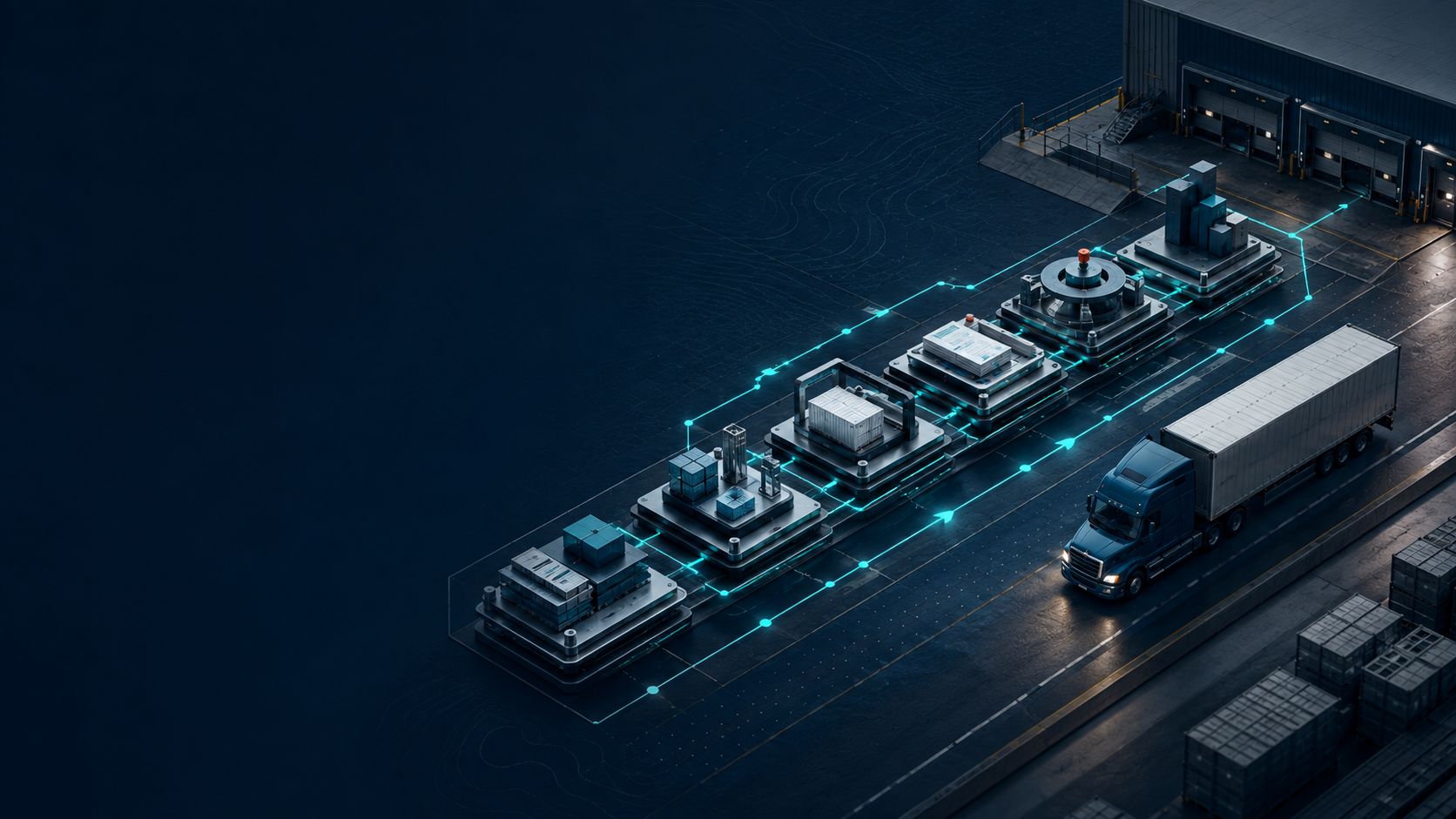
A practical guide to freight operations software for shippers that need a more connected way to manage daily execution with stronger operational visibility.

A shipper-focused guide to freight document management that explains how to keep records organized, searchable, and tied to the freight workflows they support.

A practical guide for growing freight teams evaluating a TMS for shippers, focused on choosing software that simplifies execution and supports scalable operations.
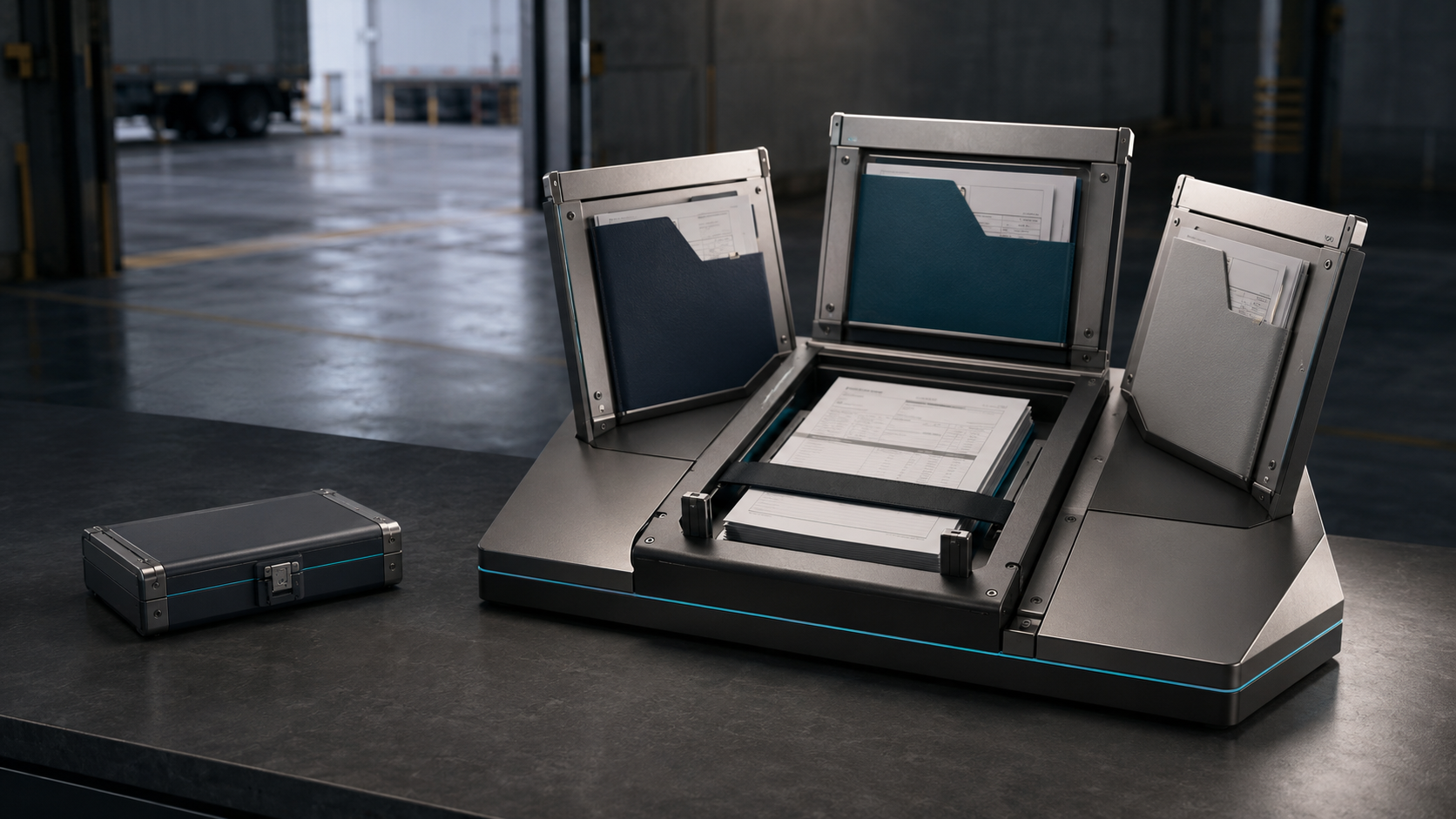
A balanced guide to the differences between freight management platforms and digital freight brokers, including where each model fits a shipper's operation.
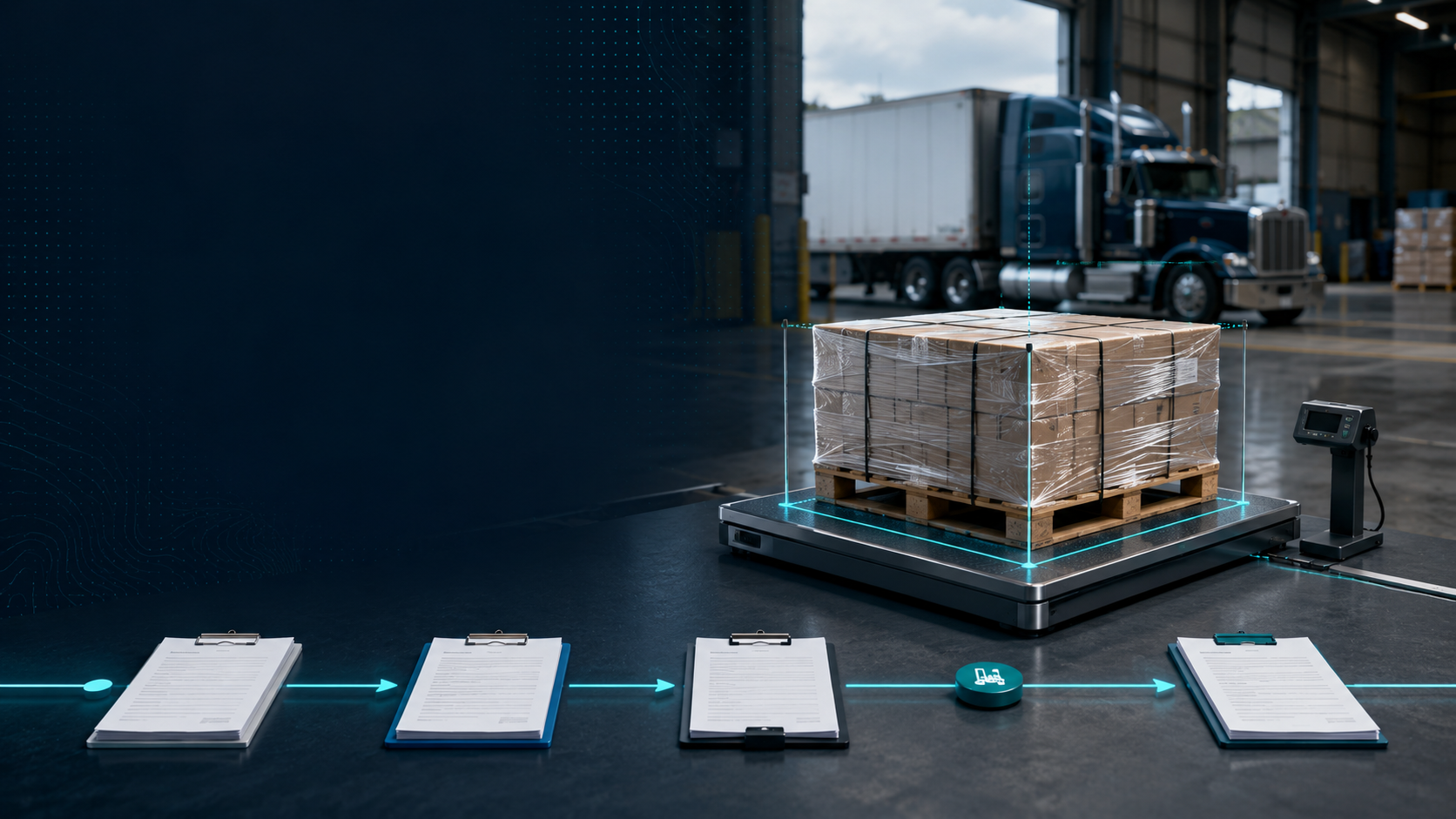
A guide to reducing avoidable LTL cost variance by connecting accurate data, facility requirements, carrier performance, documents, and invoice review.

A practical guide to building shipment visibility that helps growing teams respond faster, communicate clearly, and manage freight with less manual work.

A practical explanation of freight management software, its core capabilities, and the questions shippers should ask before choosing a platform.

A practical guide to where AI creates value in freight operations, what it requires, and how shippers can separate useful capabilities from unsupported promises.

A practical guide for growing shippers evaluating freight management technology, including when spreadsheets break down and which workflows to centralize first.
A practical explanation of freight AI for shipper teams, with examples across quoting, tracking, documents, exceptions, analytics, and human decision support.

A buyer-stage checklist for evaluating AI transportation management system features, built for shippers comparing visibility, automation, analytics, integrations, and security.

An operator-focused guide to AI logistics platforms for shippers, including connected workflows, freight visibility, analytics, automation, and practical evaluation criteria.

A practical guide to AI freight management for shippers that need more connected workflows, better visibility, automation, analytics, and scalable control.

Freight spend visibility helps shippers connect rates, invoices, accessorials, carrier performance, lane trends, and shipment history into a clearer operating view. This guide explains what to track and how to make freight cost conversations more actionable.

Drayage freight can look simple on paper, but port appointments, rail ramp timing, chassis availability, documentation, and accessorial exposure can quickly create operational friction. This guide explains what shippers need to know before container moves reach the final mile.

Freight rate management software helps shippers compare quotes, understand freight costs, connect rates to bookings, and make more informed transportation decisions.

3PLs and freight brokers can both support transportation, but shippers should compare the operating model, scope, visibility, carrier network, and technology fit.

Freight risk management starts with better visibility into carriers, shipment exceptions, documents, compliance signals, insurance workflows, and operational accountability.
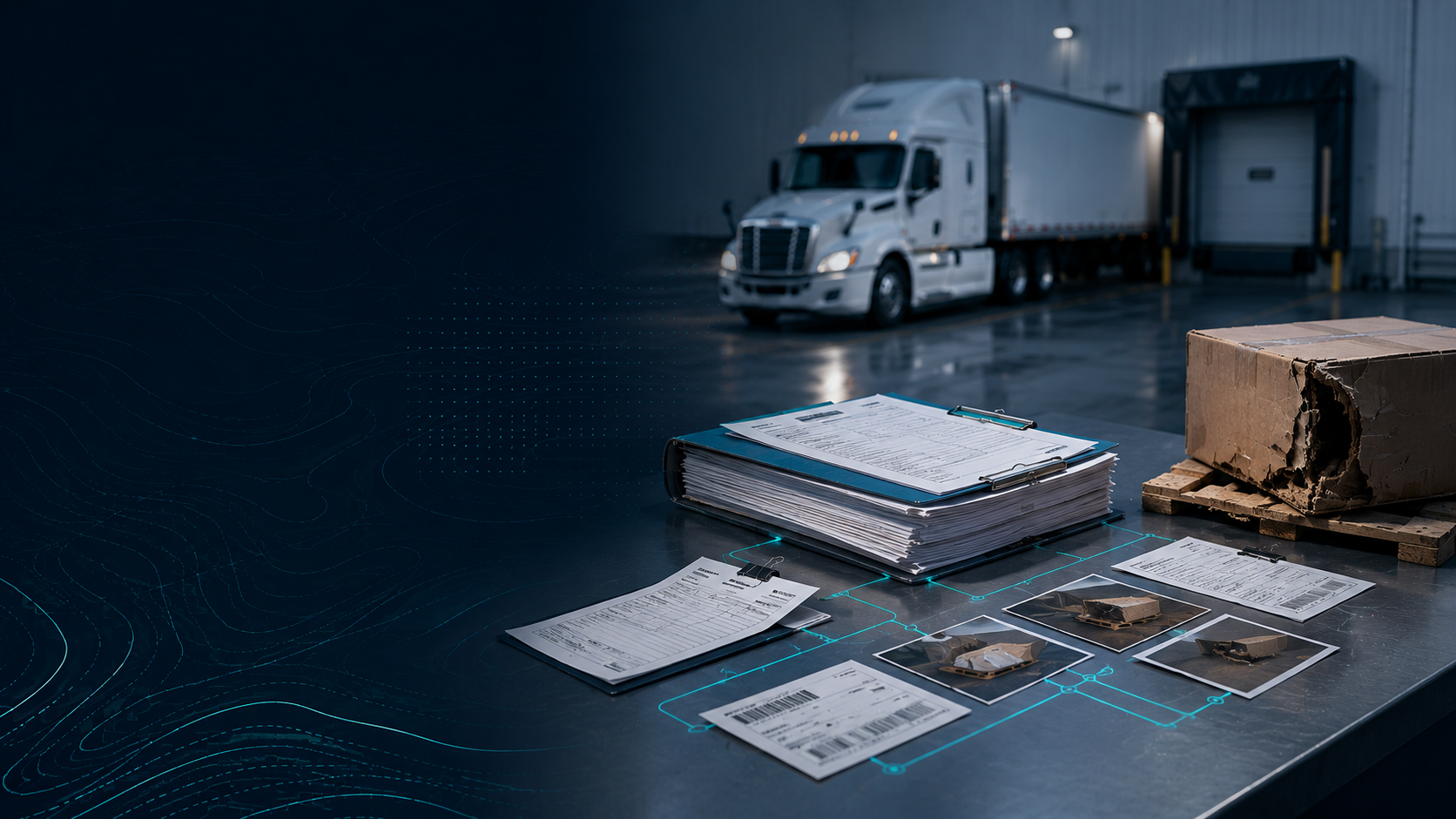
Freight claims are easier to manage when damage details, carrier responses, photos, bills of lading, proof of delivery, and claim records live in one structured workflow.

Freight booking software helps shippers move from quote comparison to connected freight execution with clearer documents and shipment visibility.

Domestic freight management helps shippers coordinate U.S. freight across modes, providers, documents, costs, tracking, and exceptions.

LTL freight management helps growing shippers control cost, improve shipment visibility, manage documents, and coordinate less-than-truckload freight.

Digital freight management gives shippers a connected way to manage freight workflows, visibility, documents, analytics, and execution support.

Lighthouse is TILT's shipper-facing freight intelligence platform and AI-powered shipper TMS. This guide explains how it supports real-time visibility, freight workflows, and more connected decision-making.

Shippers often compare transportation management systems, freight management software, and service providers when manual freight operations become too slow or fragmented. This guide explains the differences and how to evaluate an integrated model.

LTL and FTL are both core OTR freight options, but they serve different shipping needs. This guide explains the main differences so shippers can choose the right method for cost, reliability, timing, and freight characteristics.

Small freight teams often outgrow manual shipment tracking before they realize it. This guide explains the operational signs, platform capabilities, and visibility workflows that help shippers move from scattered updates to more connected freight management.
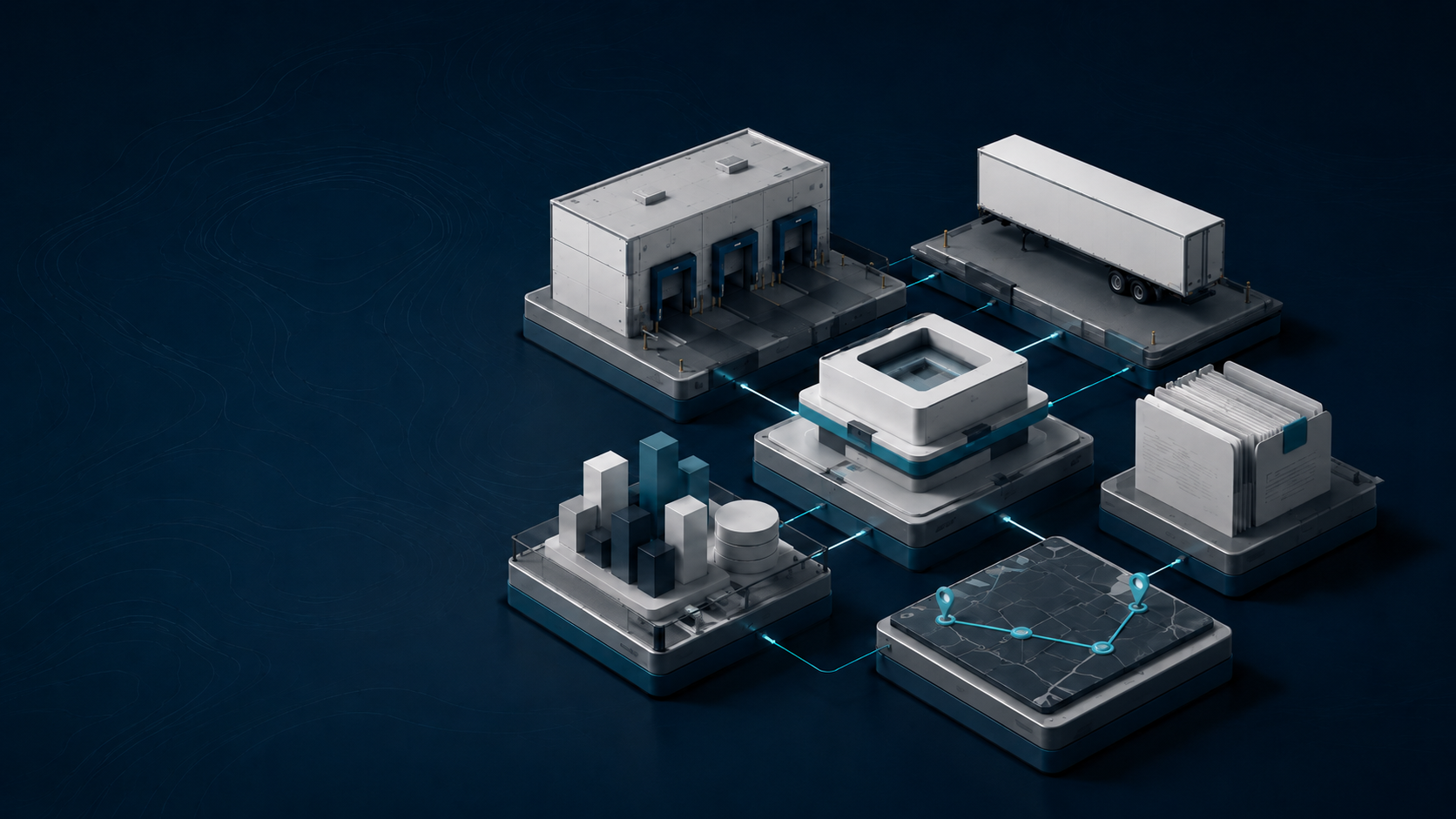
The right freight platform should centralize quoting, booking, tracking, documents, analytics, and decision-making. This guide shows shippers what to evaluate before choosing software.

Choosing between modern freight platforms is not just a software decision. This guide explains how shippers can compare Flexport alternatives, digital freight brokers, and freight management platforms.

LTL freight shipping can help shippers move palletized freight without paying for an entire truck. This guide explains how LTL works, when it fits, and what to watch before booking.
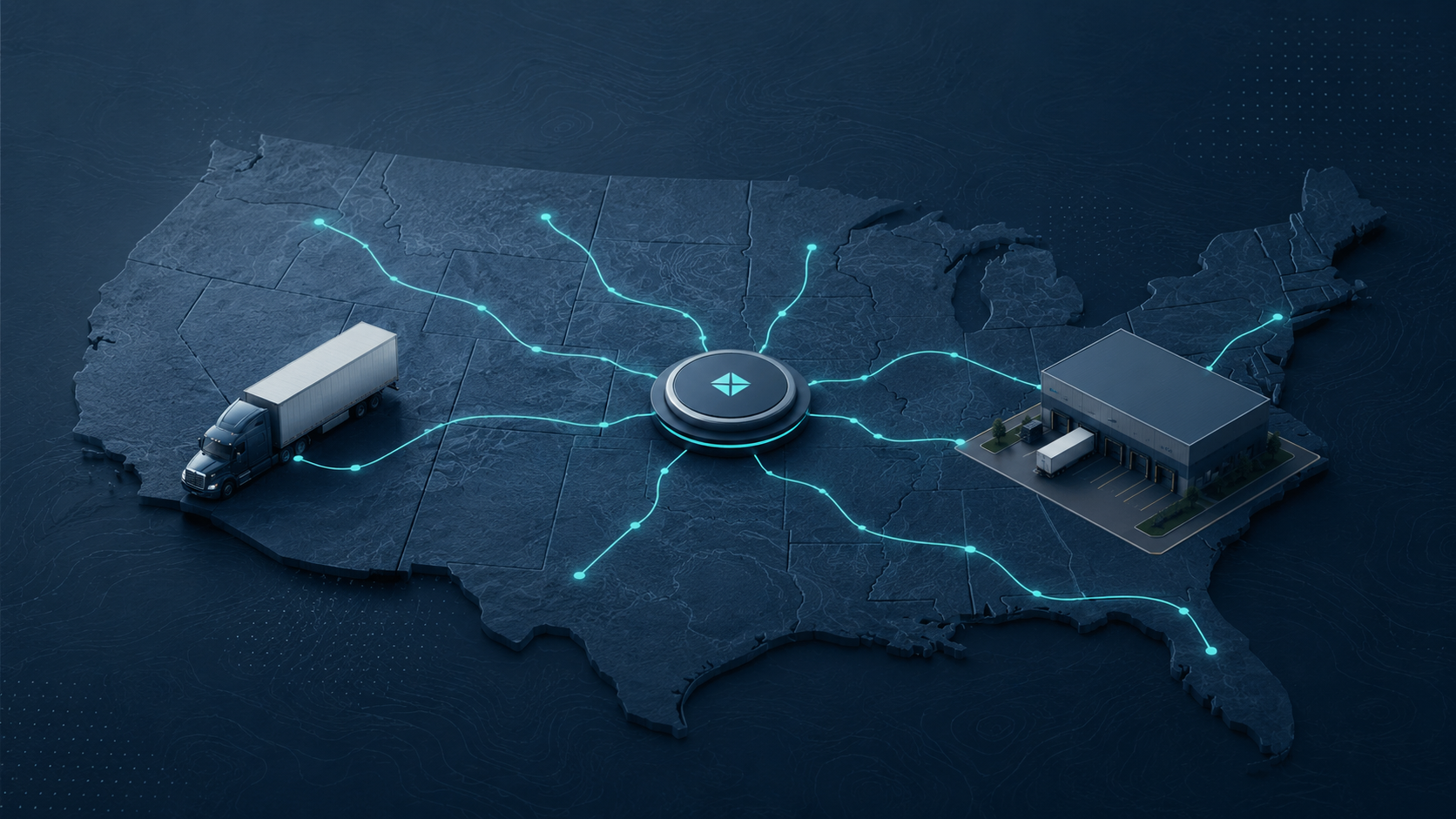
Traditional TMS software helps shippers plan and execute transportation.This guide explains how freight intelligence platforms add real-time visibility, analytics, automation, and decision support across freight management workflows.

A practical guide to tech-enabled freight management, including software, execution, visibility, data, modes, and the role of human logistics expertise.

A practical guide to AI-powered shipper TMS software, including core functions, workflows, integrations, visibility, and what to look for in a modern platform.

A practical guide to where AI creates value in freight operations, what it requires, and how shippers can separate useful capabilities from unsupported promises.
No articles match your search.